02
Problem Statement
The store had functional infrastructure but was failing at every stage of the conversion funnel. This was not a product quality issue — it was a product presentation and trust-signal failure that made it impossible for even interested buyers to convert.
Click-Through Rate
<2%
Below category average. Thumbnails failed to generate scroll-stopping attention in Shopee's competitive feed environment.
Add-to-Cart Rate
<9%
Users who reached the PDP did not proceed — indicating a trust collapse at the product detail level, before purchase intent could materialize.
Daily Sales
0
No active transactions. The store existed but generated no revenue. The funnel was structurally broken from top to bottom.
Social Proof
2–4
Reviews came exclusively from close contacts. No authentic buyer signal. Insufficient to meet the trust threshold required for marketplace purchase decisions.
Visual Quality
Low
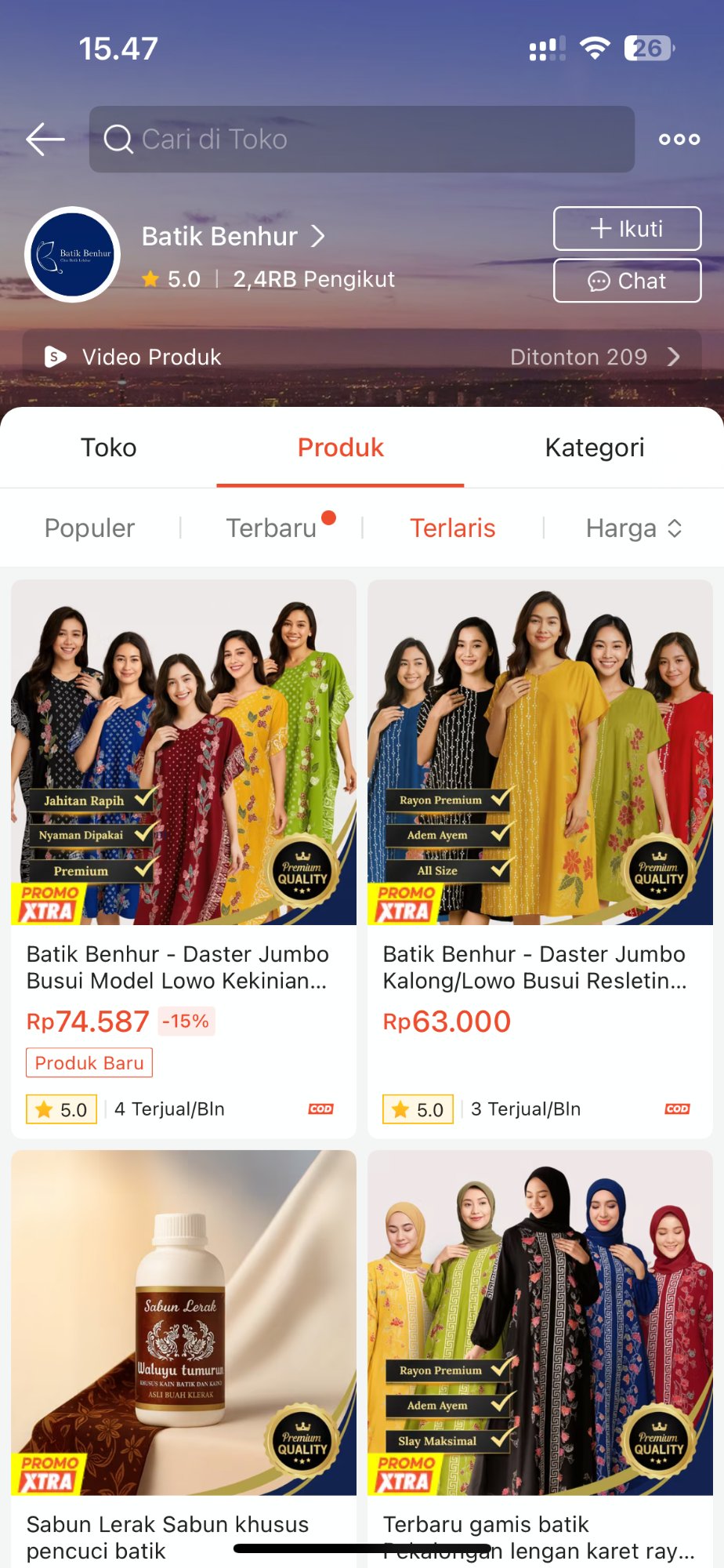
Mannequin photography with muted color palette. No feature callouts, no lifestyle context, no differentiation signal within the product images.
Root Cause Diagnosis
Trust
The product had market fit — but the presentation system surrounding it was destroying conversion. More ad spend would amplify waste, not sales.
Evidence: Product Detail Page — Pre-Optimization State
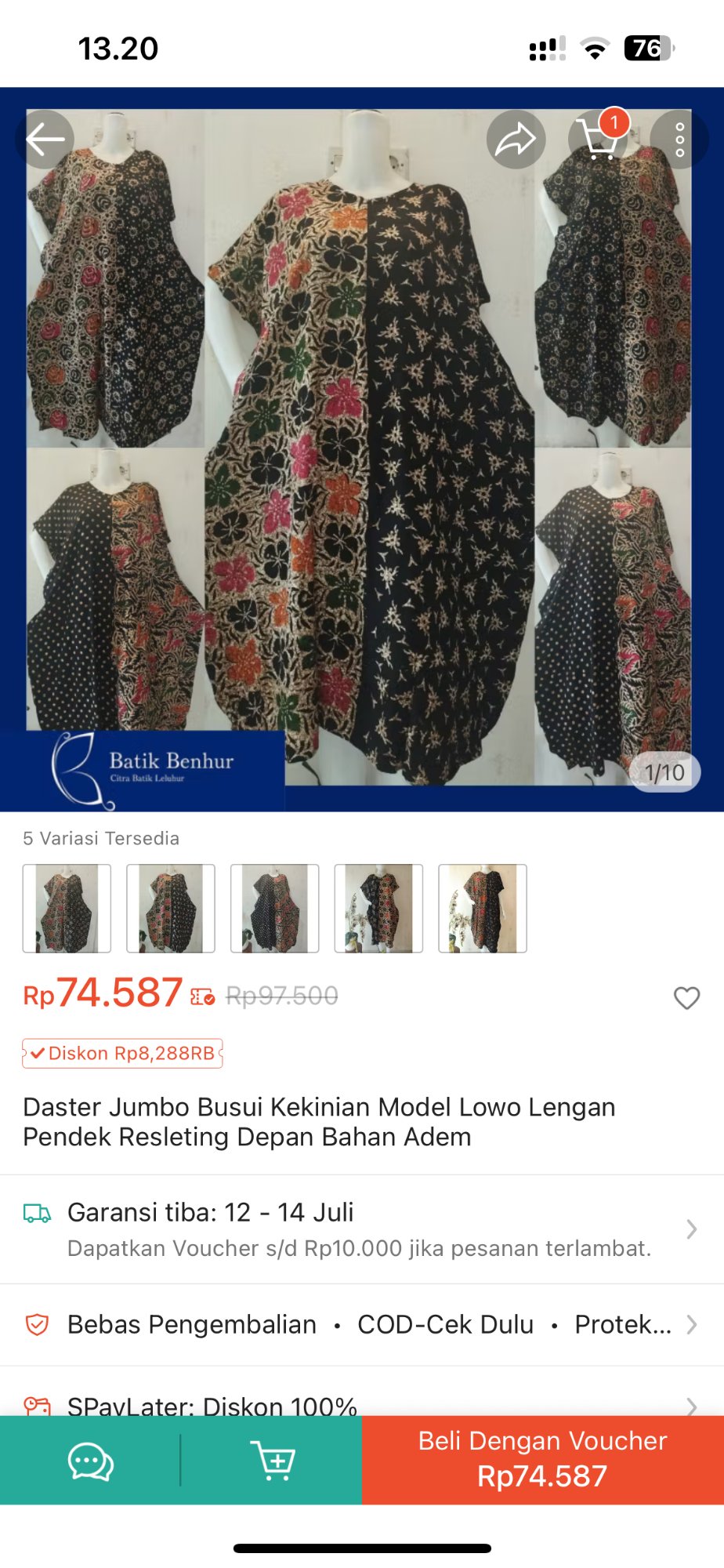
This screenshot captures the Shopee PDP as it existed before intervention. Used here to document the baseline visual presentation that was generating near-zero ATC and zero daily sales.
Insight
All product images use headless mannequins on a neutral background — no human reference, no lifestyle context, no feature highlighting. The visual provides zero emotional connection and minimal product clarity. This is a structurally trust-negative presentation for a fashion category where fit, drape, and wearability are the primary purchase considerations.
Strategic Diagnosis
"The product was not the problem. The visual and presentation system surrounding it was actively preventing conversion. Fixing the funnel was equivalent to unlocking suppressed demand."